
Oil
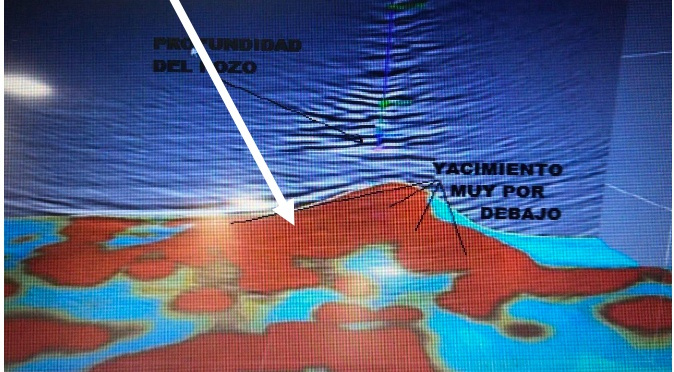
1. Advanced Exploration and Geosciences (Upstream)
Non-invasive, eco-friendly remote prospecting technologies with 98% certainty and 20% lower costs than traditional seismic.
- Quantum Resource Prospecting (IEM): Integrated methodology (satellite, aerial and vertical) to identify the type of substance, location, volume estimate, depth and thickness of reservoirs.
- Advanced Reservoir Visualization: Technology based on atmospheric and quantum physics that shows the three-dimensional behavior of the element (oil, gas or water) in real time.
- Deep Aquifer Location: Advanced exploration at depths greater than 7 km to develop water reserves in areas of high water stress.
- High-Resolution Mineral Prospecting: Precise detection of metals and precious stones at depths of up to 10 km in large or protected areas.
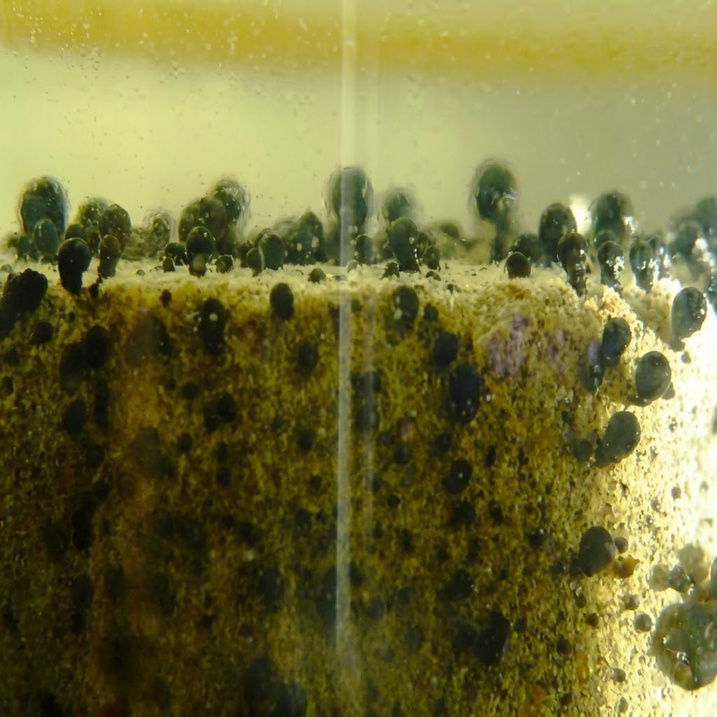
2. Production, Optimization and Nanotechnology
Automated systems and molecular engineering to maximize the recovery factor and extend asset life.
- Reservoir Modification with Nanocatalysts: Molecular nanotechnology that alters rock wettability, drastically reducing crude viscosity and water cut.
- Artificial Lift Systems (ESP): Exclusive supply of state-of-the-art electric submersible pumps, able to operate under high salinity, extreme temperature and high gas or sand content.
- Smart Well Completions (SOTECH): Automated multizone systems that collect, transmit and analyze downhole data over GSM channels for real-time remote control.
- Optimization and Maintenance Reduction: Operational diagnostics for deviated, heavy and extra-heavy oil wells under international standards.
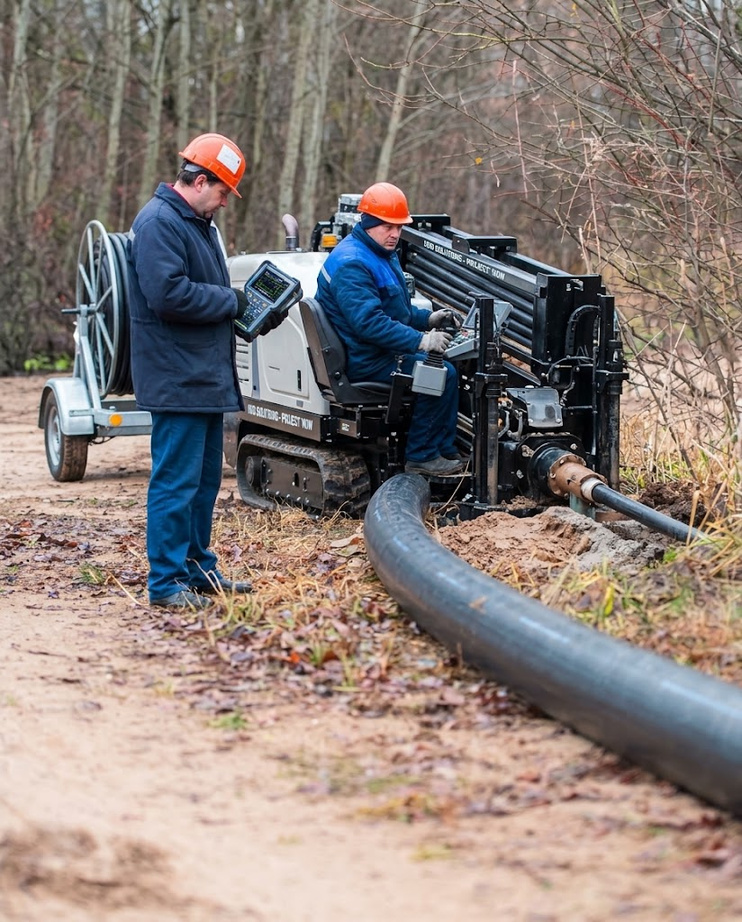
3. Smart Transportation and Connectivity (Midstream)
Advanced polymer infrastructure and high-efficiency distribution systems.
- Smart Flexible Pipe (SKT): Steel-reinforced polymer pipe systems, 30% more economical, quick to install without drilling rigs and with a 30-year maintenance-free service life.
- Integrated Connectivity Lines: Pipelines with pre-installed cables to power ESP pumps and monitor downhole sensors.
- Surface and Underground Laying Methods: Logistics engineering solutions for the rapid deployment of multiple lines in existing rights-of-way.
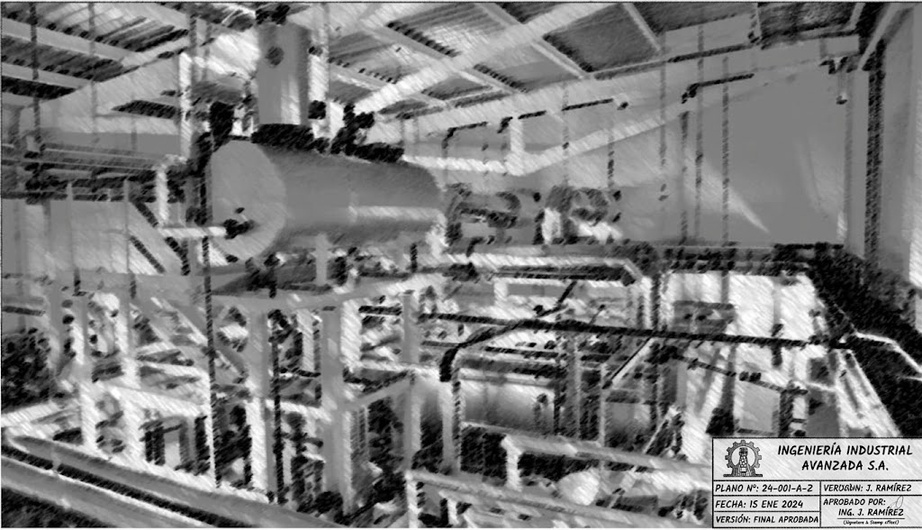
4. Conditioning, Refining and Biorefineries (Downstream)
Automated chemical and thermal processes for resource valorization and the circular economy.
- Crude Pretreatment and Conditioning: Technology that raises API gravity from 8° to 20° and removes sulfur before refining, eliminating the need for coking plants.
- Municipal Solid Waste (MSW) Biorefining: Automated modular industrial plants (zero emissions and zero leachate) that gasify any carbon-based waste to produce biofuels and bio-hydrogen.
- Construction and Maintenance Engineering: Specialized design and fabrication of storage tanks, pressure spheres, reactors and industrial piping systems.
5. Decarbonization, Energy Transition and Sustainability
Cost-effective environmental engineering focused on climate change mitigation and carbon credits.
- Chemical CO₂ Capture (CCC-TECH): Capture of acid gases from industrial stacks (CO₂, SO₂, NO₂) and conversion into high-purity commercial raw materials (sodium, calcium, magnesium and lithium carbonates).
- Biological CO₂ Capture (CBC-TECH): Mitigation through automated microalgae bioreactors that perform active photosynthesis, releasing oxygen and producing protein-rich nutritional biomass.
- Agro-Technological Cities (Smart Cities): Planning and integration of research clusters, sustainable housing and technology-driven agricultural production (Esmeralda Model).